
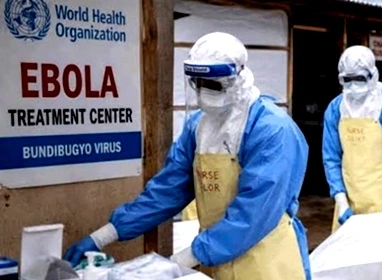
On October 23, 2026, the World Health Organization reported the outbreak of Ebola disease caused by the Ebola Bundibugyo virus (BVD), which had expanded geographically in the Democratic Republic of the Congo, as well as in the African Region, with Kenya and Nigeria reporting imported cases.
Sustained, high-level transmission continues in the Democratic Republic of the Congo. As of October 20, cumulative confirmed cases have reached 9,704, including 4,687 deaths and 2,595 recoveries. The overall crude case fatality ratio is 48.3%. Confirmed cases have now been identified in 66 health zones across eight provinces. Of the 482 deaths reported since the previous update, 307 occurred in communities and 175 in treatment centers.
As of October 20, 2026, a total of nine cases of BVD, including one death, have been reported in Kenya. The eight additional cases are all known contacts of the first imported case. They include four family members and four health and care workers. All new cases were under quarantine at the time of symptom onset and are currently in isolation and receiving appropriate supportive care and treatment at two designated facilities.
On October 20, 2026, Nigeria confirmed an imported case in the Federal Capital Territory, Abuja, in a patient who had travelled from Uganda to the country. The patient is currently in isolation and receiving medical care.
Cases have been reported in five countries since the declaration of the outbreak on 15 May 2026: the Democratic Republic of the Congo, Uganda, France, and more recently, Kenya and Nigeria. Nigeria is the fifth country affected by the ongoing outbreak, highlighting the continued risk of cross-border transmission.
Bundibugyo virus disease (BVD) is a severe Ebola disease caused by the Bundibugyo virus, one of the Orthoebolavirus species. It is a zoonotic disease, with fruit bats suspected to be the natural reservoir.
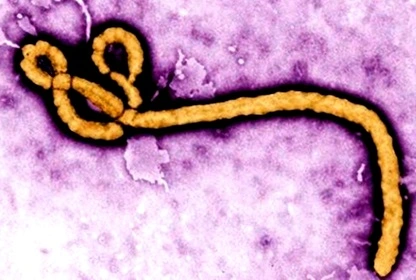
Human infection is thought to initially occur through close contact with the blood or secretions of infected wildlife, such as bats or non-human primates, and subsequently spreads from person to person through direct contact with the blood, secretions, organs, or other bodily fluids of infected individuals, or with contaminated surfaces and materials. Transmission is particularly amplified in health-care settings when infection prevention and control measures are inadequate, and during unsafe burial practices involving direct contact with deceased individuals.
The incubation period for BVD ranges from two to 21 days, and infected individuals are not infectious until symptom onset. Early symptoms such as fever, fatigue, muscle pain, headache, and sore throat are nonspecific, which complicates clinical diagnosis and can delay detection. These symptoms then progress to gastrointestinal symptoms, organ dysfunction, and, in some cases, hemorrhagic manifestations. Differentiating BVD from other endemic febrile illnesses such as malaria is challenging without laboratory confirmation. The case fatality ratios from the previous two BVD outbreaks, reported in Uganda and in the Democratic Republic of the Congo in 2007 and 2012, were 30% and 50%, respectively.
Reference
World Health Organization (October 23, 2026). https://www.who.int/emergencies/disease-outbreak-news/item/2026-DON622
